
Creatine Loading Phase
What changes when you load creatine for a week? See how loading compares with a steady daily dose, how much of your tub each approach uses, and when the faster start matters.
Compare your first 30 days ↓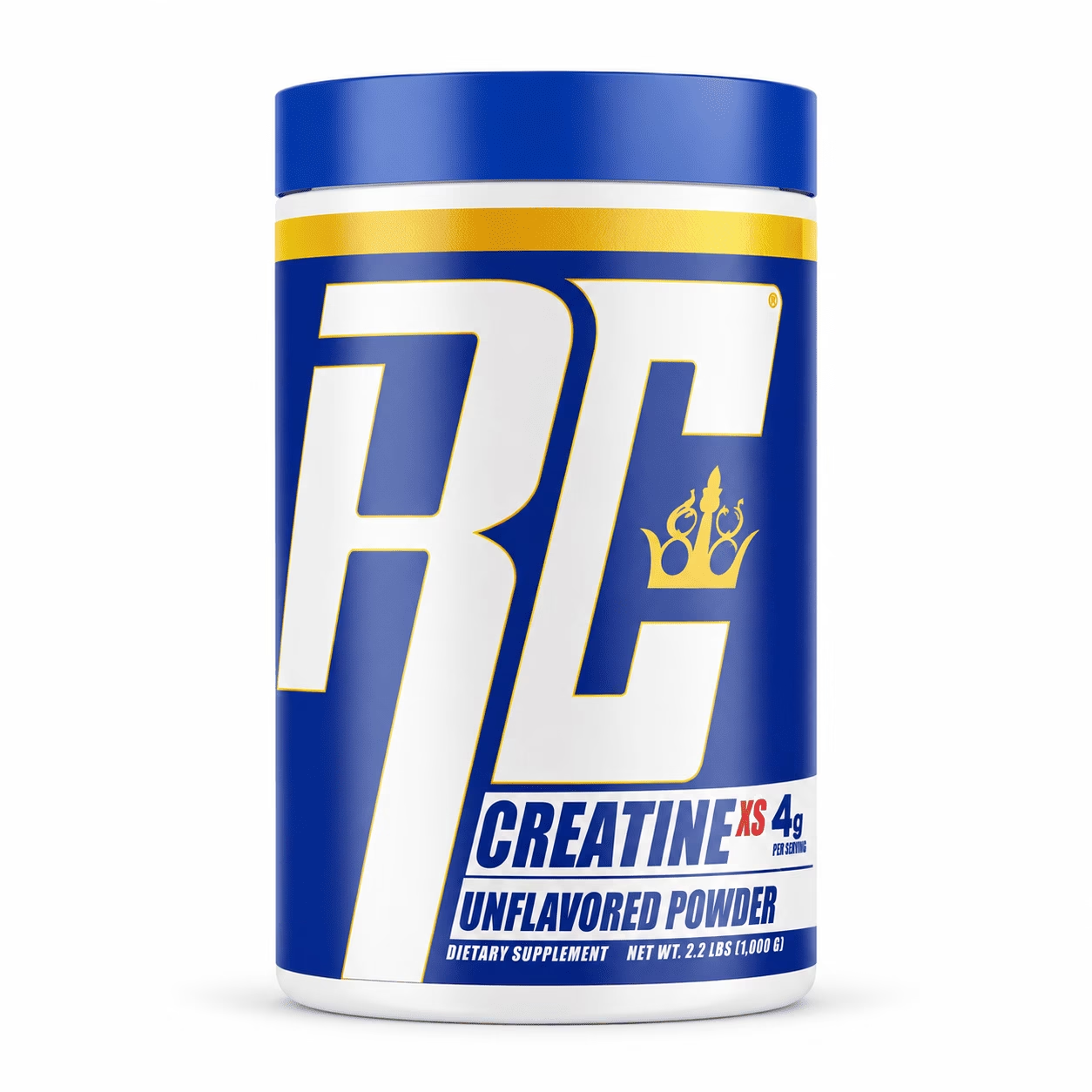
Is a creatine loading phase necessary?
Creatine loading is optional. In a common adult research protocol, participants take 20 g of creatine monohydrate per day for five to seven days, divided into four 5 g portions, then move to 3–5 g per day. Starting with a steady 3–5 g daily can also build muscle creatine stores, typically over about four weeks. Loading can matter when you want those stores to rise sooner. If you have no deadline, a steady routine is simpler and uses less powder in the first month.
Loading refers to increasing the amount of creatine stored in muscle. It helps to separate that from what you notice in the gym. Muscle creatine concentration is a measurement researchers can take. The weight you lift on a given day also depends on training, sleep, technique and how recovered you are. An athlete can finish a loading week without feeling an obvious change. Likewise, an unusually good session gives you very little information about how much creatine is stored in muscle.
What the classic loading study found
In a 1996 study of 31 men across several protocols, Hultman and colleagues reported that muscle creatine rose by roughly 20% after six days at 20 g per day. They saw a similar rise more gradually over 28 days at 3 g per day. Those percentages describe a lab measurement in the study participants. A 20% rise in muscle creatine does not predict a 20% rise in strength or a specific increase in body weight.
The research helps explain why someone with an event coming up might ask about loading. A recreational lifter planning to train for the next six months has a different decision. Over that time, the main reason to choose a routine is whether it fits your schedule and whether you tolerate it. If a competition also has a weight limit, the possibility of early water weight deserves a place in that decision.
Hultman et al., muscle creatine loading study · Australian Institute of Sport protocol summary
How much creatine is used in a loading phase?
The 20 g per day example is a daily total. In studies using four 5 g servings, those servings are spread through the day. If the loading phase lasts five days, maintenance starts on day six. If it lasts seven, maintenance starts on day eight. After the switch, the daily amount in the examples below is 3 or 5 g. The loading amount stops when the loading phase ends.
Some studies express loading in grams per kilogram of body weight. A commonly studied example is about 0.3 g/kg per day for a short period, divided into servings. That gives different daily totals for people of different sizes. The comparison below uses the fixed 20 g example so readers can see what the two routines use over the same period. It provides a way to compare the examples without asking for body weight or estimating an individual dose.
How rest days fit into the schedule
The research schedules count calendar days. A five-day protocol runs across five consecutive days, even if only three of them are gym days. A steady daily routine also includes days off. If you associate creatine with a post-workout shake, think about what you normally do on a day without a workout. Keeping it with a regular meal can make the daily routine easier to remember.
Check what one scoop actually contains
The unit in these examples is grams of creatine monohydrate. Your product’s scoop may hold a different amount. For instance, the RC Creatine XS 1 kg pack lists 400 servings of 2.5 g. A 5 g portion in a research example is therefore equivalent by weight to two of those listed servings. With flavoured products, read the ingredient line as well as the serving size. The full weight of the scoop can include other ingredients. If the serving information is hard to interpret, use our creatine dosage calculator to compare the label units.
Compare loading and steady dosing over 30 days
Choose the length of the loading example and a daily maintenance amount. The steady routine uses that same daily amount from day one. Each bar shows total grams taken by that day, on a fixed scale from 0 to 255 g.
By day 7
By day 14
By day 30
Bars measure the amount taken. The amount stored in muscle varies and requires a separate measurement. These are examples from adult research protocols.
Will a 300 g tub last through the first month?
Consider a plain, single-ingredient 300 g tub. In the five-day loading example, the first five days use 100 g. At 5 g per day for the next 25 days, you use another 125 g. That is 225 g by day 30, with 75 g left. Those remaining 75 g cover another 15 days at 5 g per day. Starting at 5 g daily uses 150 g in the first month and leaves enough for 30 more days at that rate.
A seven-day loading example changes the numbers. At 20 g for seven days, followed by 5 g for 23 days, the total is 255 g. The same 300 g tub still covers the month, and 45 g remains. In a flavoured blend, 300 g can be the weight of the entire formula. If the ingredient panel lists 240 g of monohydrate across the pack, that same 255 g example would run 15 g short. Look at the amount across the whole tub before you decide when to reorder.
There is also a difference between powder used and money paid at checkout. If you already own a 300 g plain tub, loading can move your next purchase forward without changing what you paid for the first tub. If you are buying today, compare the upfront tub price, the amount of monohydrate it contains and the delivery fee for your address. Our creatine price guide for Pakistan compares products on the same 5 g basis and lets you enter your own delivery charge.
When does a faster start matter?
You are starting a long training block
For a lifter beginning an eight-week strength block, the choice may come down to how the first week fits around work, meals and training. Four separate portions take more attention than a single daily serving. If you have never used the product, a simple routine also makes it easier to record what you took and how you felt. Give the training block enough time to judge it. Look at sets, reps and recovery across several sessions under similar conditions. Avoid judging the whole routine by the first workout.
You have an event in the next week or two
Loading is the faster approach for raising muscle creatine stores in the studies, so it is most relevant if you have a short lead time. The type of event matters too. Creatine has stronger support for repeated short, high-intensity efforts than for steady distance events. Think about what your event actually asks you to do. A tournament with repeated sprints presents a different question from a long road race. If you also have a weigh-in, include the possibility of water-related weight changes in the discussion with your sports dietitian.
You have been taking it and then paused
A weekend away and a month off are different situations. Studies and sports guidance describe muscle creatine stores coming down gradually after stopping, over weeks. One missed day does not return stores to their starting level. If you have been off for a longer period, the same decision applies again. Consider whether raising stores sooner is important for your schedule or whether you are comfortable with the gradual approach.
Keep track of the amount you actually take, particularly if your schedule changes. For example, if you planned five loading days and completed four, the actual loading amount in the 20 g example was 80 g. Recording that number makes your tub estimate more useful. It also avoids trying to infer muscle creatine from how much is left in the pack. The chart can compare the studied examples, but it cannot tell you the level in your muscles on a particular day.
Australian Institute of Sport on body mass and what happens after stopping · NIH on creatine and exercise performance
What side effects can show up during loading?
Stomach discomfort
Some people report digestive discomfort with creatine. Taking a large amount in one sitting may be harder to tolerate. A study in male football players compared one 10 g serving with two 5 g servings per day and reported more diarrhoea with the single larger serving. That result comes from a small, specific group. It is one reason to pay attention to how research divides the daily amount rather than treating 20 g as a single scoop. If symptoms persist or are severe, stop and get medical advice.
An early change on the scale
Body weight can rise early on, in part because of changes in water retention. The scale includes water, food and other day-to-day changes. It cannot tell you what share of a week’s weight change is muscle or fat. If you compete in a weight class, discuss the timing of a new supplement with your sports dietitian or coach ahead of the weigh-in. A predictable routine is especially helpful close to competition.
When to get advice before starting
Ask your clinician before using creatine if you have kidney disease, an abnormal kidney test, are pregnant or breastfeeding, or are under 18. If you already use creatine and are getting blood work, tell your clinician the product and amount you take. A 2025 systematic review found a small rise in serum creatinine without a statistically significant change in GFR across the studies analysed. A clinician can interpret your own results alongside your health history and other tests.
Digestive effects study · Operation Supplement Safety summary · Kidney function review
Creatine loading phase FAQs
What if I missed a day during loading?
A missed day changes the schedule you actually followed. Skip the impulse to double the next serving. You can move to a steady daily routine if the loading schedule is difficult to keep. The research on steady dosing still applies to the broader question of whether stores can rise without a short loading phase.
Do I need to load again after changing brands?
A brand change alone does not call for another loading phase. Check whether the new tub provides the same ingredient amount per serving. If you switch from plain monohydrate to a flavoured formula, the powder weight may change even when you are comparing the same amount of monohydrate. Check the label and the exact pack using our guide to spotting fake creatine in Pakistan.
Should I load if I already take creatine daily?
If you have taken a consistent daily amount for several weeks, your muscle stores may already have risen. The research rationale for loading is to raise stores quickly at the start. Loading again is unlikely to add much in that situation, and it uses more powder.
Does a five-day loading phase work better than seven days?
Both durations appear in guidance summarising adult research protocols. Results depend on the specific dose, study and person. Five days at 20 g uses 100 g and seven days uses 140 g before maintenance. The chart shows the difference in powder used across the same first month.
Can I take 20 g of creatine in one serving?
The common 20 g daily loading protocol uses four 5 g portions. Taking the entire daily amount in one sitting differs from the studied schedule and may increase digestive discomfort.